




UNSERE WANDERWEGE
Es gibt viel zu Sehen: Entdecken Sie Bad Vilbel zu Fuß.
Einfach losgehen und entdecken, durch Stadt, Feld und Wald wandern und spazieren. Eben noch pulsierendes Leben, dann mit Stille und frischer Luft zur Ruhe kommen, Biotope bestaunen, idyllische Streuobstwiesen durchqueren. Alles liegt so nahe beieinander, wahrnehmen, entspannen, körperlich betätigen.
Immer dabei: Spannende Informationen, lauschige Plätzchen am Flussufer, herrliche Ausblicke über Bad Vilbel, den Taunus, die Wetterau bis zur Frankfurter Skyline, unberührte Tier- und Pflanzenwelten … sogar ein richtiges Schlachtfeld wartet auf seine Entdeckung!
Immer ganz in der Nähe: Aufenthaltsorte zum Luftholen, Picknicken, Treffen und Quatschen. Dazu vielfältige Gastronomie, Veranstaltungen und attraktiver Einzelhandel.
Einstiegsstellen: zu den acht Wegen existieren vor dem Bahnhof Bad Vilbel-Süd, auf dem Niddaplatz, am Kurhaus, am Marktplatz, an der Nidda hinter dem Schwimmbad, am Zugang von der Nidda zum Festplatzgelände, am Parkplatz am Friedhof, am Ritterweiher und am Waldparkplatz Vilbeler Wald (B 521).
Acht Wege laden ein:
Wählen Sie nach Ihren Wünschen und Tagesform die Länge, Schwierigkeitsgrad und Themenschwerpunkte - für jeden Geschmack und alle Altersstufen.
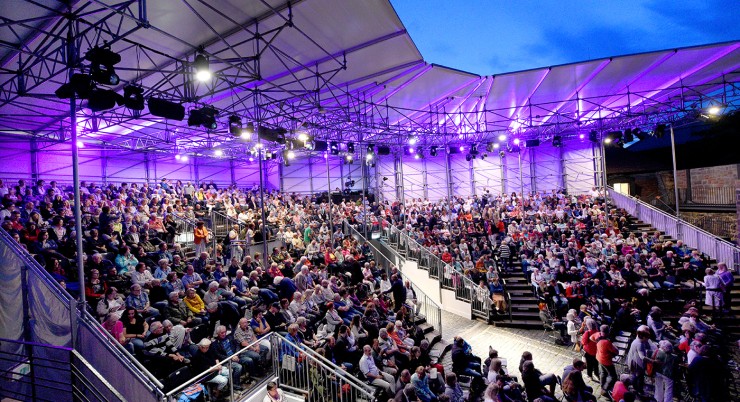
The festival summer in a unique setting within the medieval moated castle from the 12th century. Theater, musicals, opera – cultural experiences with the ruins as a backdrop.
Every year from mid-April to mid-September, there’s a diverse program here; from classical to modern, from dramatic to humorous.
Children’s performances are also regularly staged.
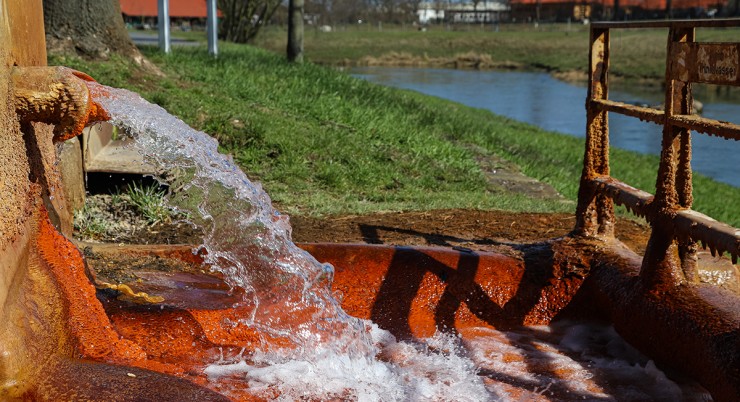
A bridge over the Nidda that leads to nowhere? Not quite; it leads to the Roman Spring and no further. Here, the sparkling water shoots up from a depth of 287 m. The spectacle can be observed from the platform.
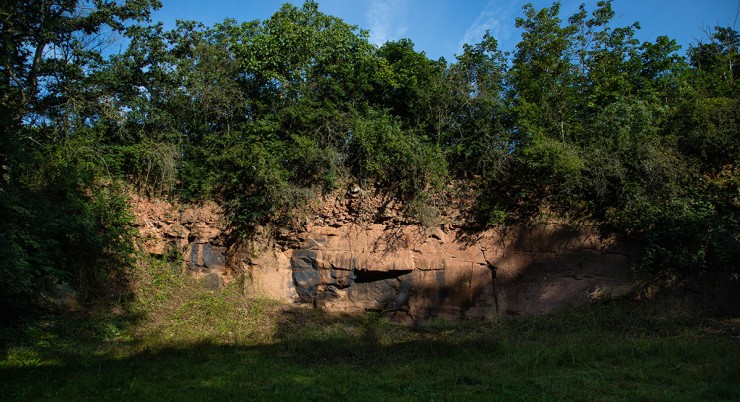
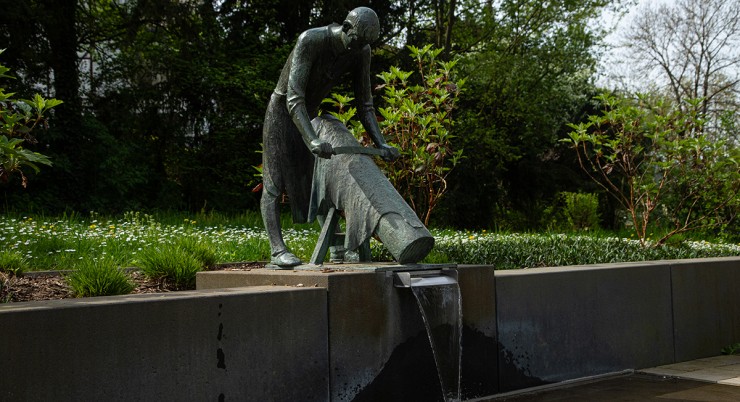
It is the city’s birthplace and lifeline. Where Bad Vilbel once emerged, the Nidda had a natural ford, making it possible to cross the river there.
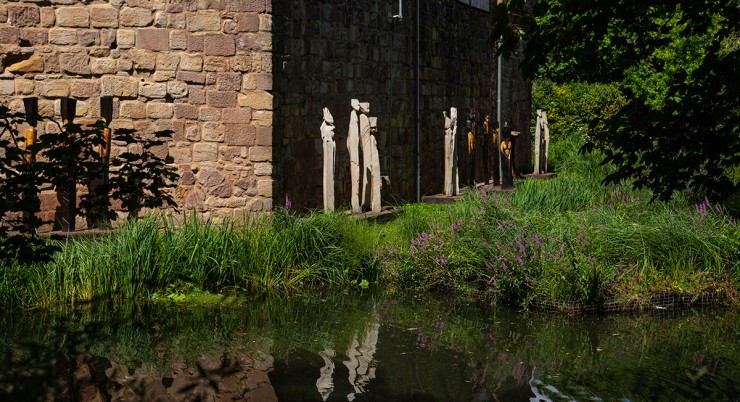
In the heart of the city, surrounded by parklands, the ruins of a moated castle stand in an idyllic location on the banks of the Nidda. It originated from a royal forest estate known as a “Wildhube.” This once vast royal forest required the management of game and woodland for the royal hunt by the forest warden.

A glass pavilion near the spa park houses the reconstruction of a Roman mosaic that was once part of a bathhouse. This masterpiece of ancient mosaic art is considered the most beautiful in all of Germany. It depicts mystical sea creatures, grotesque hybrid beings, and real animals gathered around the sea god Oceanus.
Water runs through the town, water runs through the town’s history, and water is still ever-present today.

A mill has likely stood here since the year 830. Damaged multiple times and partially collapsed due to flooding, it was abandoned as a grain mill in 1950.
Revived by the city as a cultural center in 1984, it has become a true landmark.
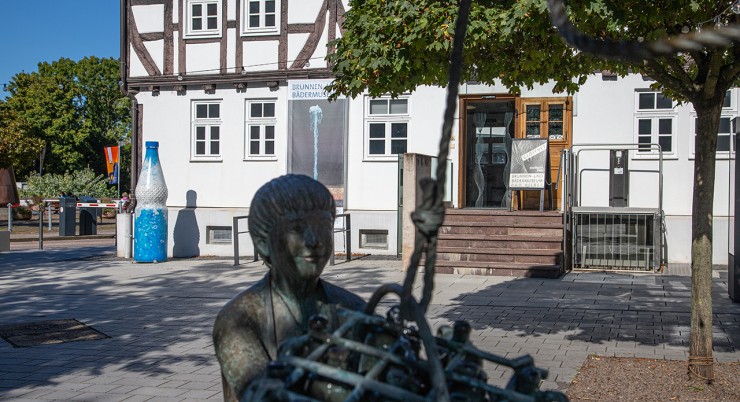
The museum showcases the history of Bad Vilbel’s medicinal and mineral water with fascinating exhibits as well as touchscreen and screen presentations. Alongside a journey through the history of the spa and fountain operations, it also explores bottling technology over time and the development of packaging, including the pros and cons of reusable and single-use bottles.
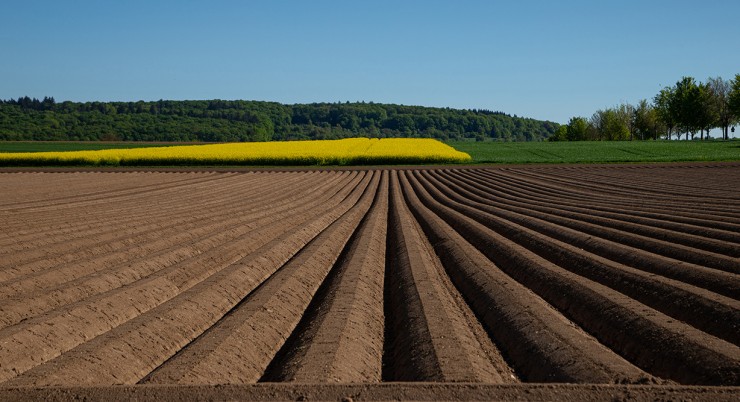
Consistently marked with the green “R4”, most of the route runs along low-traffic, quiet and secluded, paved cycling and farm roads.


