


UNSERE WANDERWEGE
Es gibt viel zu Sehen: Entdecken Sie Bad Vilbel zu Fuß.
Einfach losgehen und entdecken, durch Stadt, Feld und Wald wandern und spazieren. Eben noch pulsierendes Leben, dann mit Stille und frischer Luft zur Ruhe kommen, Biotope bestaunen, idyllische Streuobstwiesen durchqueren. Alles liegt so nahe beieinander, wahrnehmen, entspannen, körperlich betätigen.
Immer dabei: Spannende Informationen, lauschige Plätzchen am Flussufer, herrliche Ausblicke über Bad Vilbel, den Taunus, die Wetterau bis zur Frankfurter Skyline, unberührte Tier- und Pflanzenwelten … sogar ein richtiges Schlachtfeld wartet auf seine Entdeckung!
Immer ganz in der Nähe: Aufenthaltsorte zum Luftholen, Picknicken, Treffen und Quatschen. Dazu vielfältige Gastronomie, Veranstaltungen und attraktiver Einzelhandel.
Einstiegsstellen: zu den acht Wegen existieren vor dem Bahnhof Bad Vilbel-Süd, auf dem Niddaplatz, am Kurhaus, am Marktplatz, an der Nidda hinter dem Schwimmbad, am Zugang von der Nidda zum Festplatzgelände, am Parkplatz am Friedhof, am Ritterweiher und am Waldparkplatz Vilbeler Wald (B 521).
Acht Wege laden ein:
Wählen Sie nach Ihren Wünschen und Tagesform die Länge, Schwierigkeitsgrad und Themenschwerpunkte - für jeden Geschmack und alle Altersstufen.

A glass pavilion near the spa park houses the reconstruction of a Roman mosaic that was once part of a bathhouse. This masterpiece of ancient mosaic art is considered the most beautiful in all of Germany. It depicts mystical sea creatures, grotesque hybrid beings, and real animals gathered around the sea god Oceanus.
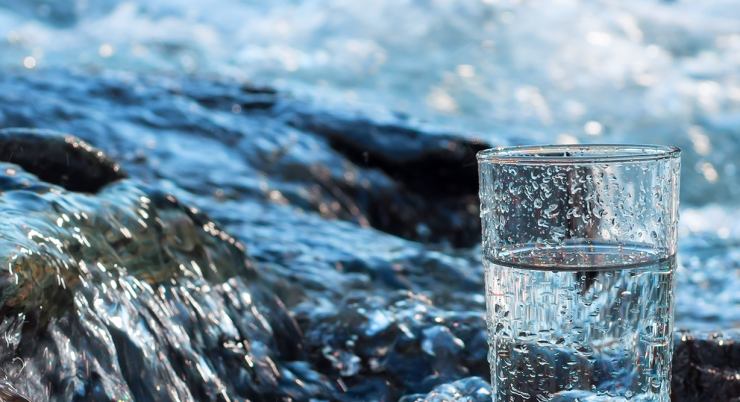
Water flows through the city, water flows through the city’s history, and water remains ever-present to this day.

A mill has likely stood here since the year 830. Damaged multiple times and partially collapsed due to flooding, it was abandoned as a grain mill in 1950.
Revived by the city as a cultural center in 1984, it has become a true landmark.
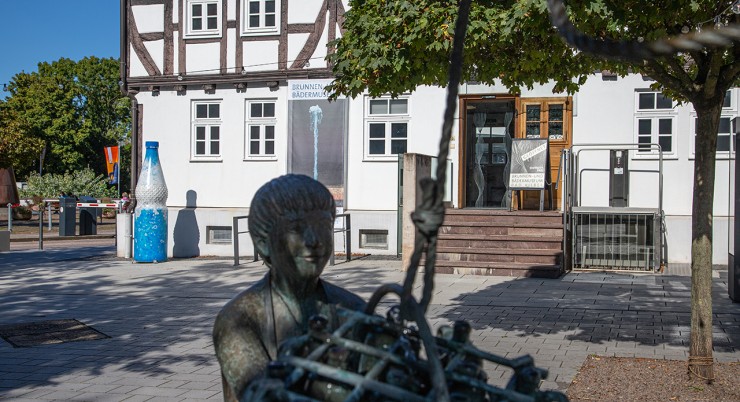
The museum showcases the history of Bad Vilbel’s medicinal and mineral water with fascinating exhibits as well as touchscreen and screen presentations. Alongside a journey through the history of the spa and fountain operations, it also explores bottling technology over time and the development of packaging, including the pros and cons of reusable and single-use bottles.
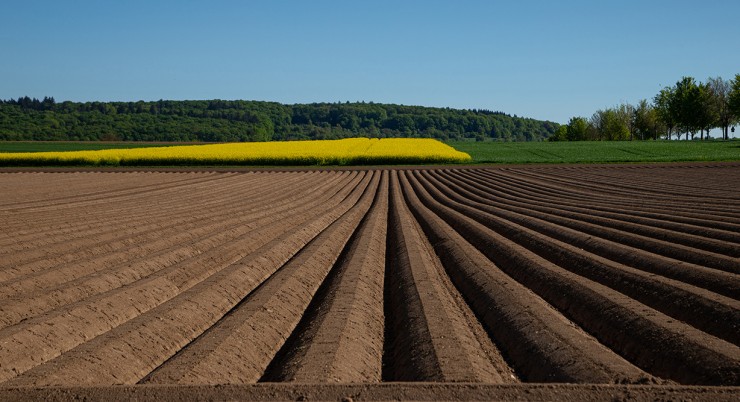
Marked throughout with the green “R4” sign, most of the route runs along low-traffic, quiet, and secluded paved cycle paths and farm tracks.
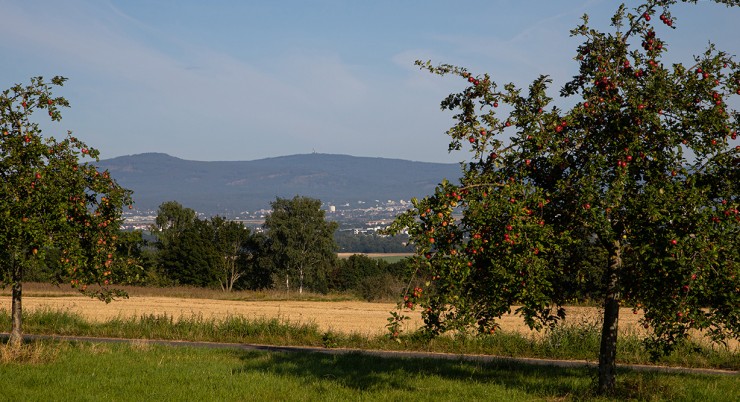
Marked throughout with the green “R4” sign, most of the route runs along low-traffic, quiet, and secluded paved cycle paths and farm tracks.
Marked throughout with the green “R4” sign, most of the route runs along low-traffic, quiet, and secluded paved cycle paths and farm tracks.

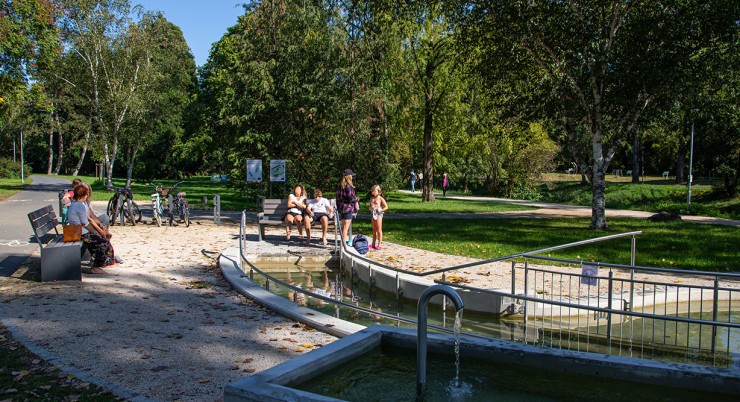
Along all hiking trails, in the park areas and along the Nidda riverside paths, all the way to the districts of Dortelweil and Gronau, you’ll find a wide range of rest and picnic spots with suitable seating for a relaxing break.

The Nidda and its surroundings form a green belt through Bad Vilbel. Unlike other riverside locations, no roads disturb the pleasure of strolling through the parks situated on both sides of the riverbanks.
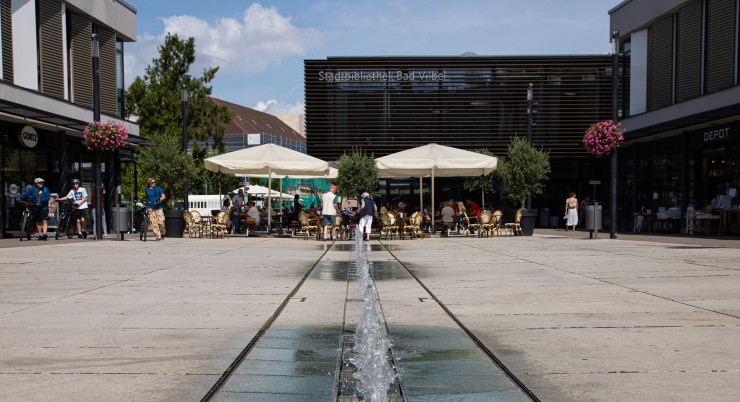
Bad Vilbel, the city of fountains and mineral springs, is a vibrant, diverse city. Its modern center offers pleasant shopping opportunities with space to stroll, as well as a wide range of cultural, leisure, and recreational activities.


