
 Echt sehenswert!
Unsere stadt
unsere wanderwege

ACTIVE IN BAD VILBEL
Tours
Unsere Wanderwege
The Vilbelsteig is a city hiking trail certified by the German Hiking Institute, combining interesting areas of city and nature. It offers a wealth of information…
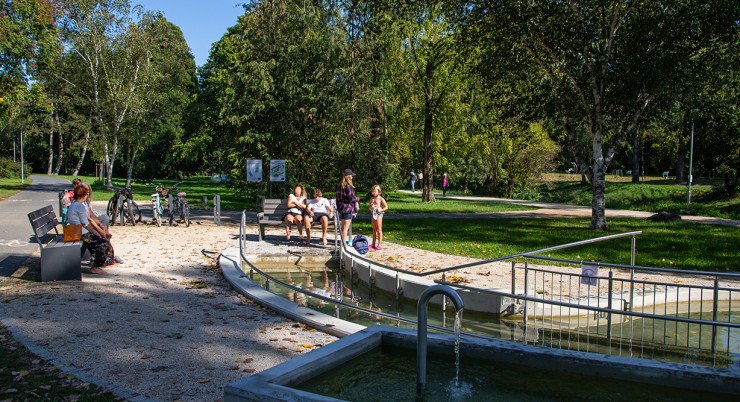
Marked throughout with the green “R4” sign, most of the route runs along low-traffic, quiet, and secluded paved cycle paths and farm tracks.
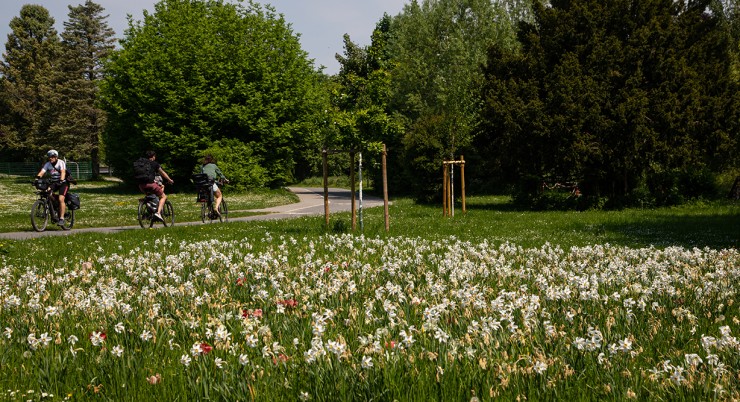
The cycling route “Around Bad Vilbel” is a 23-kilometer, easy-to-ride, highly varied circular cycling route with gentle inclines. It touches not only the core city of Bad Vilbel but also all its districts: Dortelweil, Gronau, Heilsberg, and Massenheim. Everywhere there are special features to discover, including nature, water, art, culture, and regional cuisine.
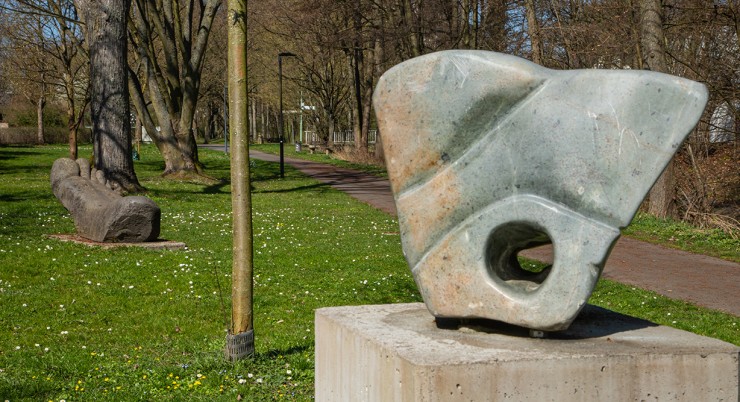
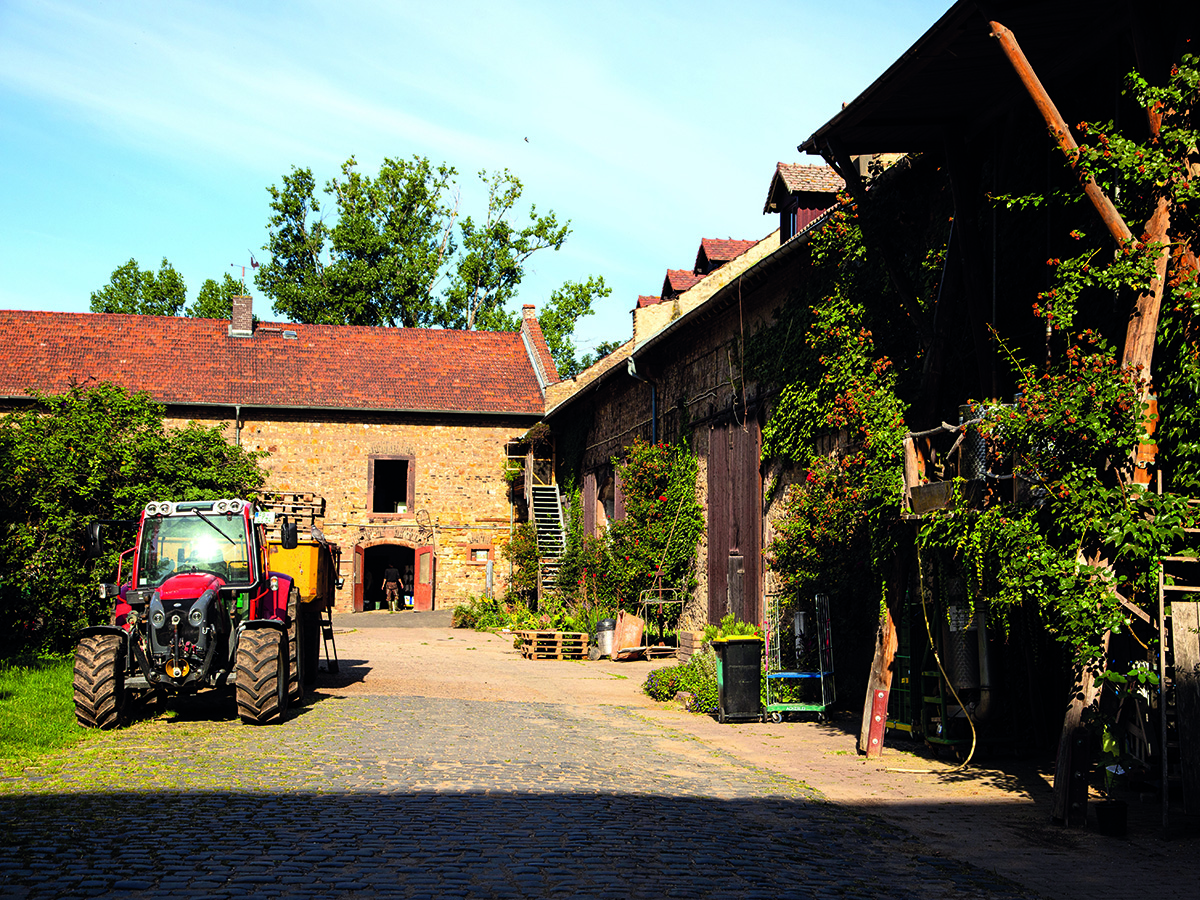
Massenheim’s history stretches back many millennia. Its sunny hillside location, fertile land, and access to water made the region a sought-after settlement site from early on.
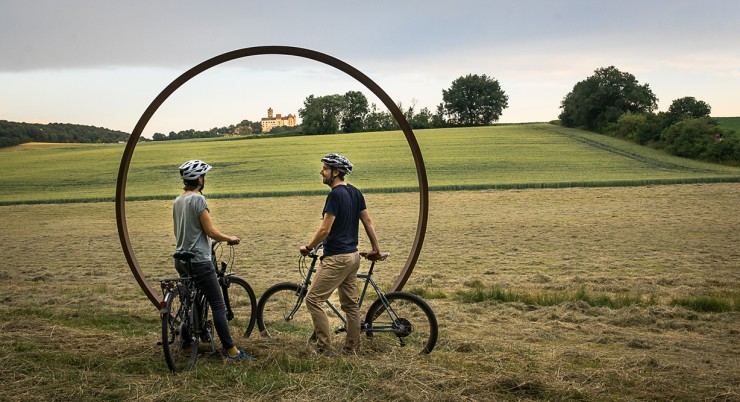
The Hohe Straße Regional Park Route follows the historical course of an old trade route and leads through vast landscapes as a ridge-top trail. You quickly feel “far away” and closer to the sky. Spectacular panoramic views open up in all directions, from the settlements in the valley to the Frankfurt skyline and the Ronneburg hills.

Marked throughout with the green “R4” sign, most of the route runs along low-traffic, quiet, and secluded paved cycle paths and farm tracks.
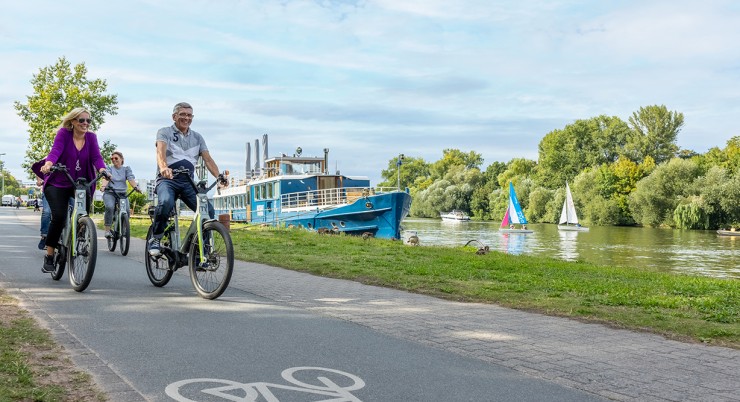
Marked throughout with the green “R4” sign, most of the route runs along low-traffic, quiet, and secluded paved cycle paths and farm tracks.
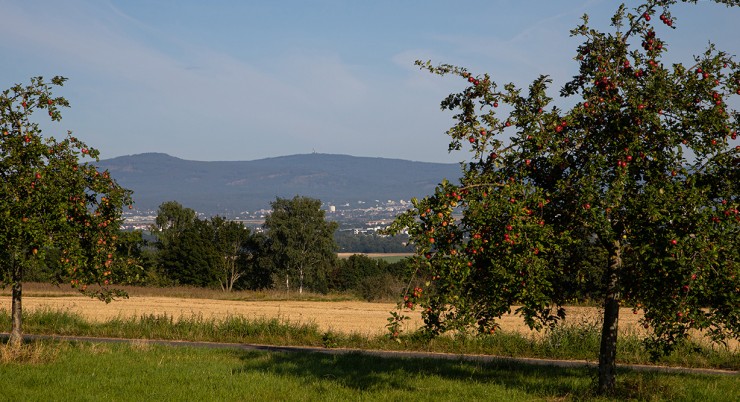
Marked throughout with the green “R4” sign, most of the route runs along low-traffic, quiet, and secluded paved cycle paths and farm tracks.
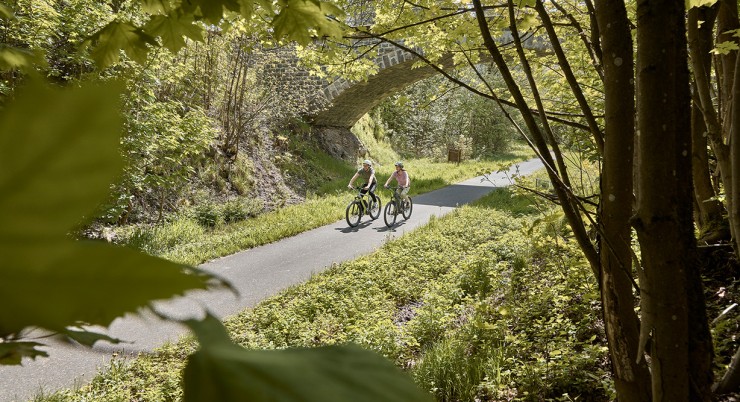
The Volcano Cycle Path largely follows the route of the former Oberwaldbahn, an old railway line that led from Lauterbach over the Vogelsberg mountain range and through the Wetterau region to Frankfurt.
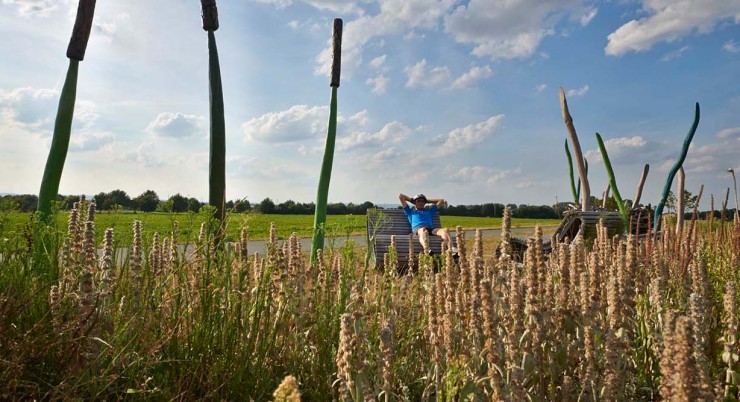
The Regionalpark Route is a unique river experience full of contrasts. It leads through the fields of the Wetterau, one of Germany’s oldest cultural landscapes, to the source in the idyllic Vulkanland Hoher Vogelsberg Nature Park.
In the heart of the Rhine-Main region, very close to Frankfurt and quickly reachable by S-Bahn: Bad Vilbel is a great destination for a day trip.
Ten hiking trails in and around Bad Vilbel invite you to explore.
Depending on how you feel and what you’re looking for, choose the length, level of difficulty and themes of the Bad Vilbel trails – there’s something for every taste and all ages.
Our hiking and walking routes are designed so they can be used without any advance planning. This gives them a high recreational and experience value. User-friendly waymarking accompanies you along all routes, including in the city centre, so you can’t get lost. Regular checks and maintenance of our markings and information ensure you can always rely on this quality.
There’s so much to see: Discover Bad Vilbel on foot.
For each of our offers, you can download a GPX file for digital route guidance here on this website. You can get the flyer for your route at the Tourist Info, Frankfurter Straße 74, or download it here.
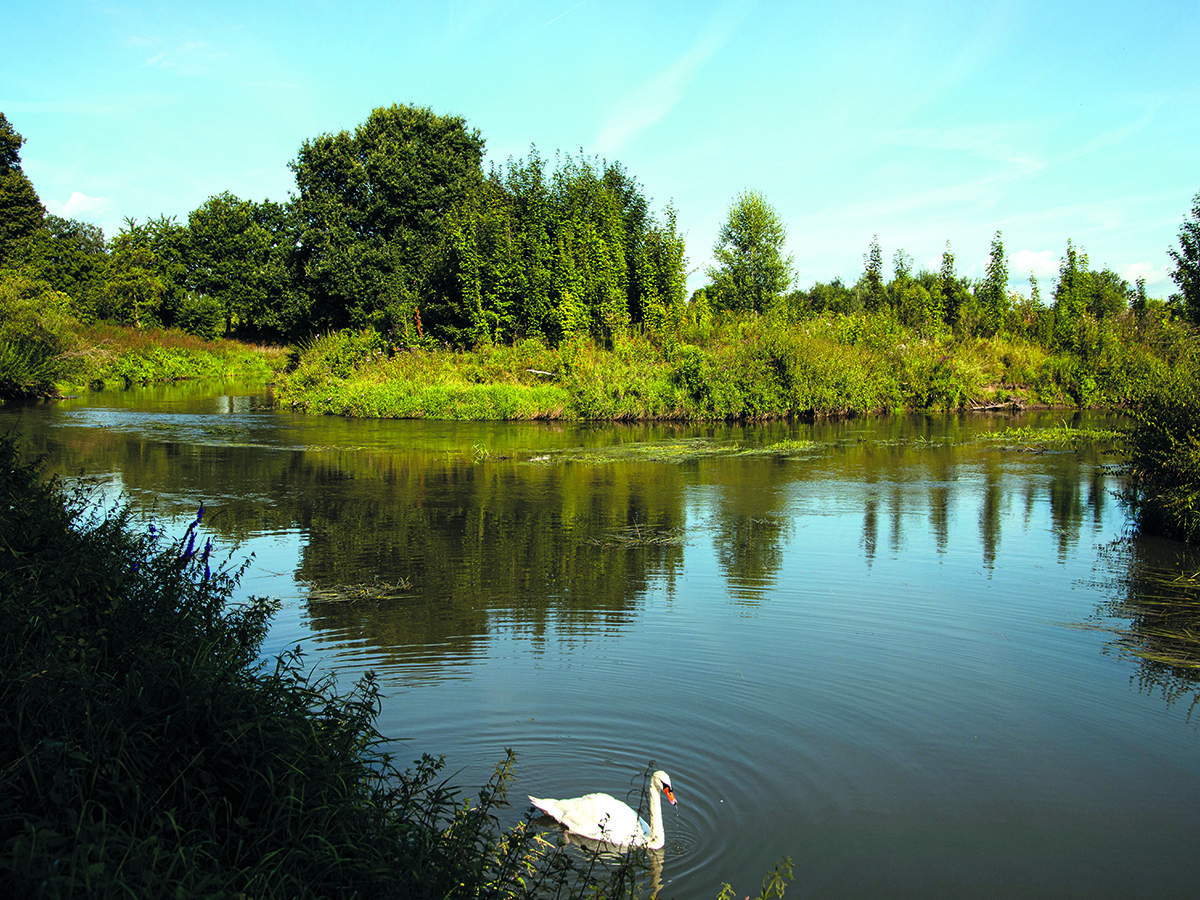
Setting off and discovering is easy in Bad Vilbel. It takes you through town, fields and forest. When hiking and strolling, the vibrant life of Bad Vilbel alternates with tranquillity and fresh nature.
Along pleasant paths, you’ll pass through forest, biotopes and traditional orchards. In Bad Vilbel, everything is close together, well signposted, explained and easy to find.
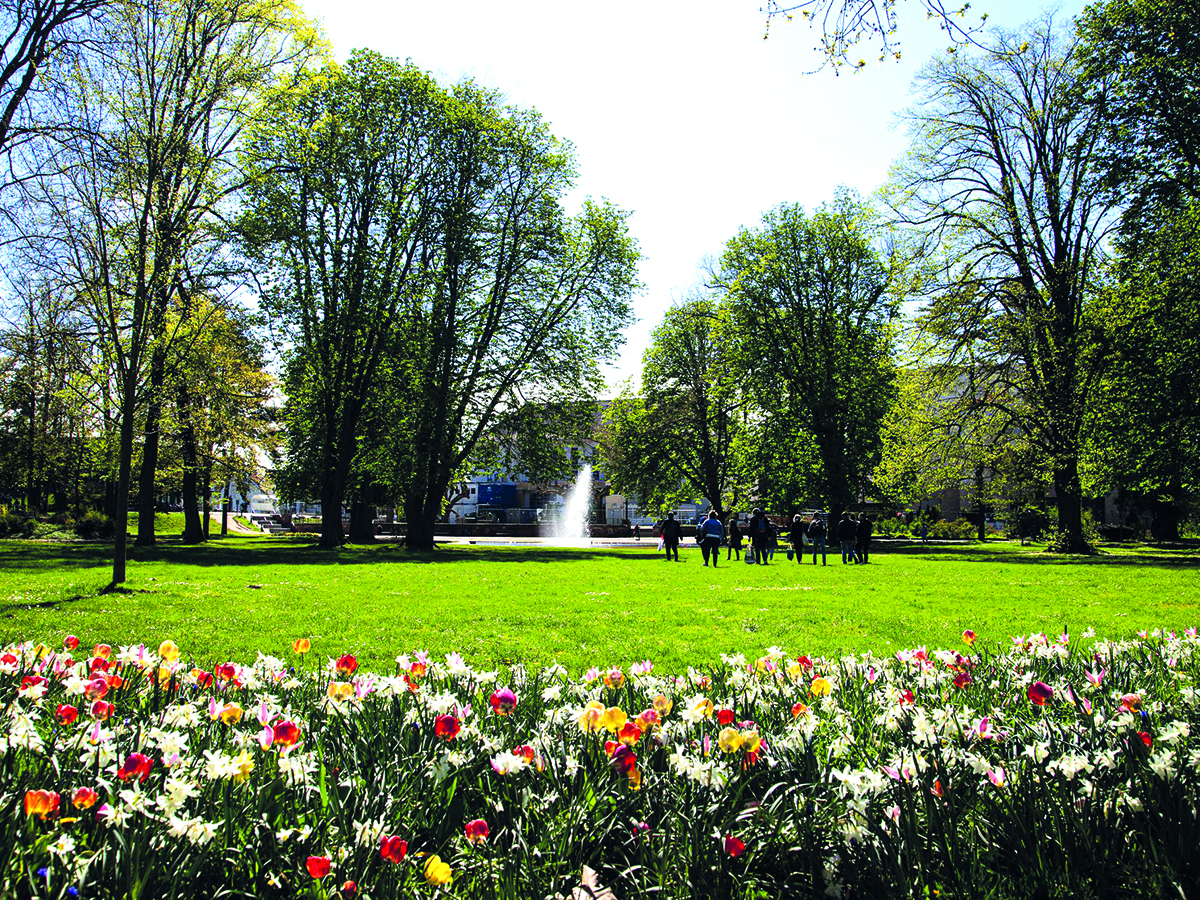
Experiencing nature and culture, relaxing and being active are the focus. Great opportunities to breathe deeply, recharge and unwind.
Varied hikes
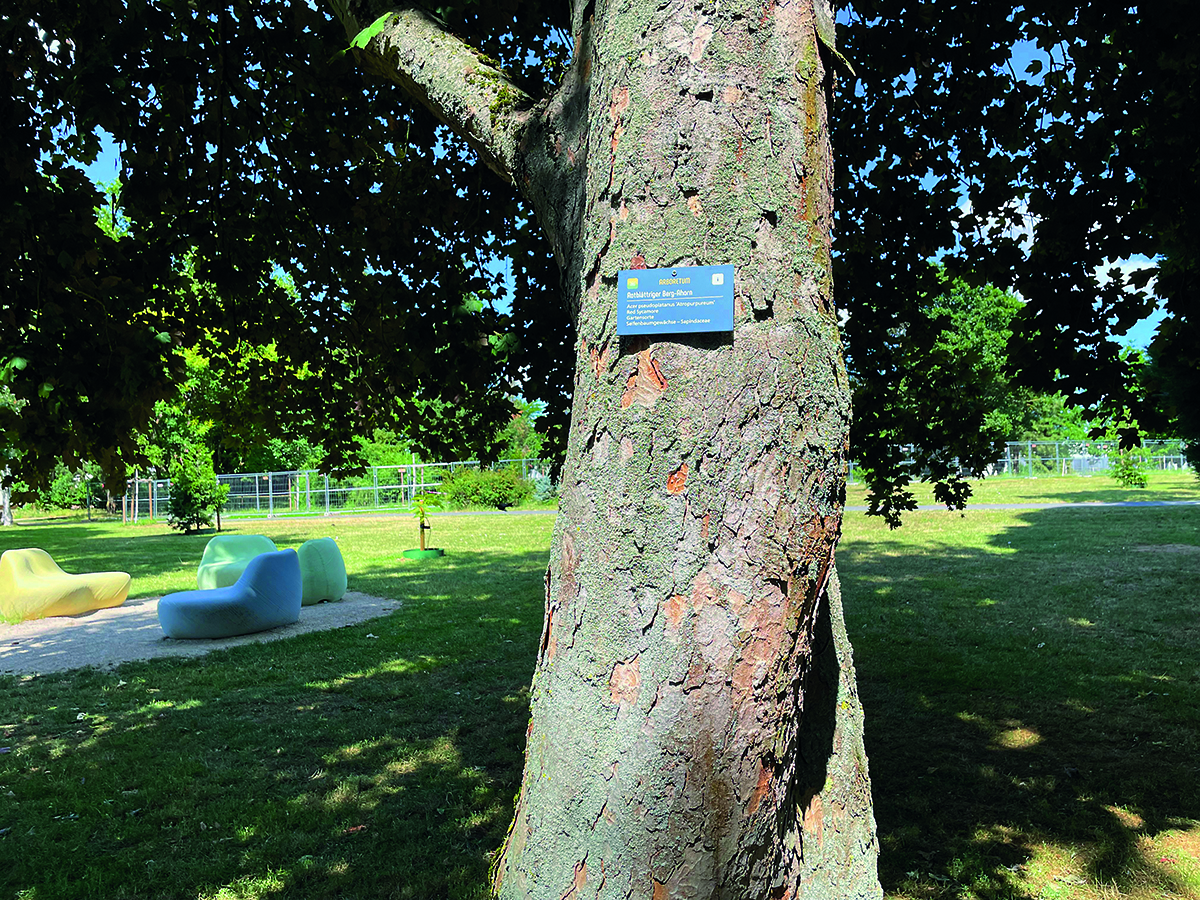
Numerous information boards can be found throughout the town and along the hiking trails. They provide interested visitors with information about history and special features of nature and culture. This includes untouched animal and plant habitats and even a real battlefield.
Restaurants and picnicking in Bad Vilbel
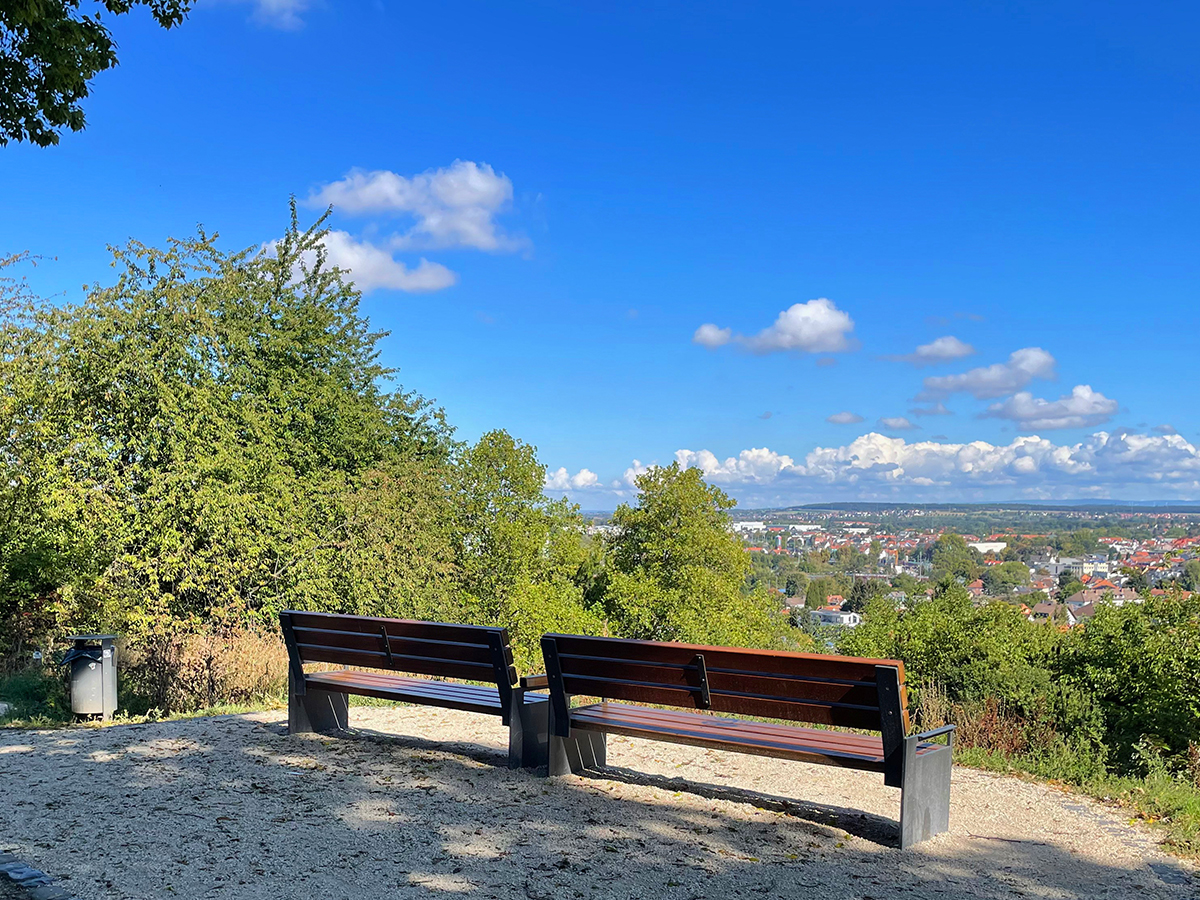
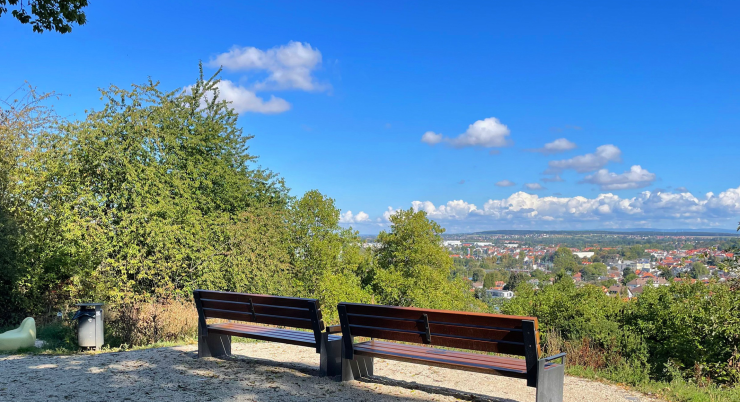
Food and drink are well catered for in the town area, with a wide range from snack bars to restaurants; plenty of rest and picnic areas right in nature and along the Nidda let you plan your outing entirely your own way. There are little spots on the riverbank, views over Bad Vilbel, the Taunus, the Wetterau and all the way to Frankfurt’s skyline. For taking a breather, picnicking, meeting up and having a chat.
In the city
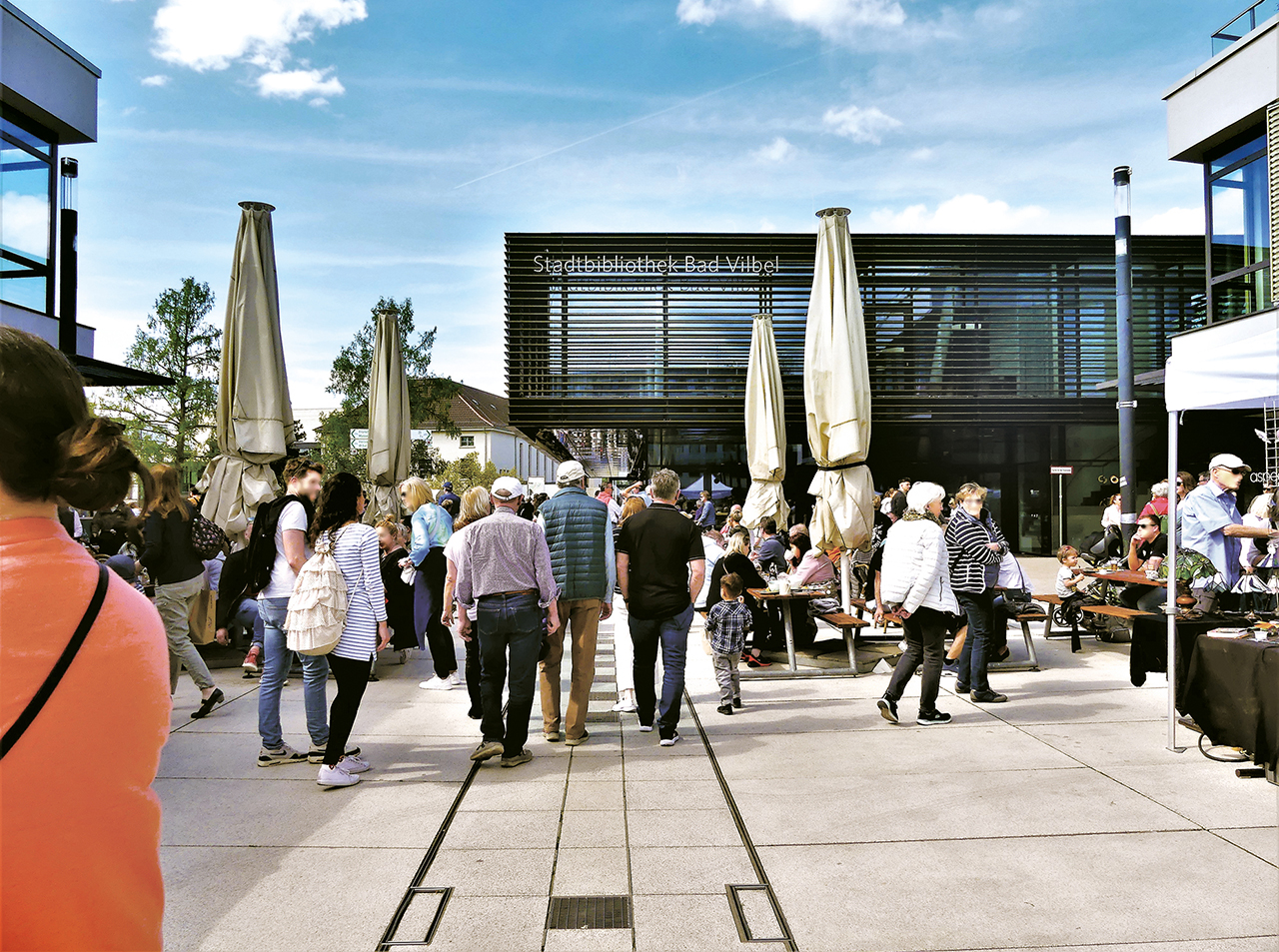
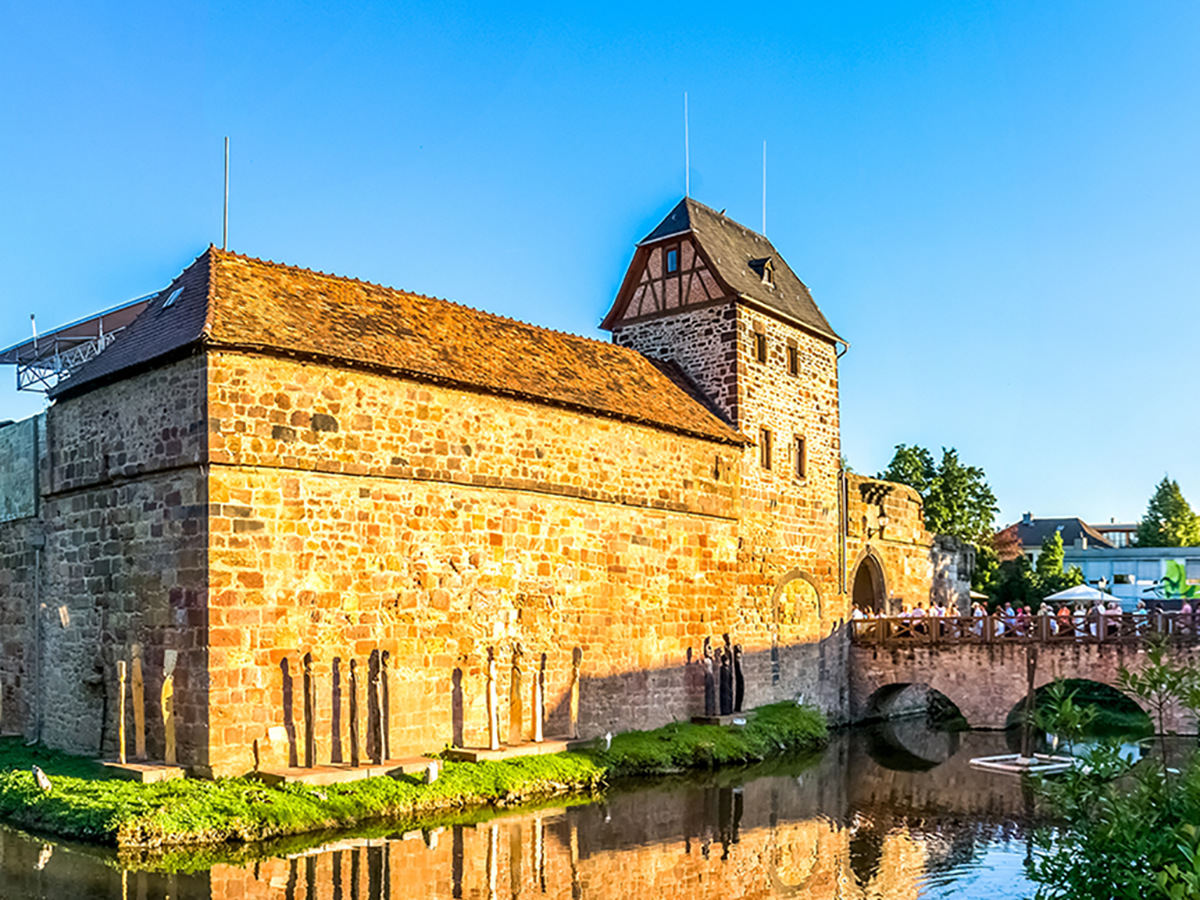
Cultural events take place at the Vilco and the Alte Mühle. In the historic moated castle, the Bad Vilbel Festival can be enjoyed in the summer months against a historic backdrop and as an open-air event.
Trailheads for Bad Vilbel’s hiking trails
There are various starting points for Bad Vilbel’s ten hiking trails. If you’re coming to Bad Vilbel for the first time, use the Bad Vilbel Süd S-Bahn stop. From here you can get a good overview, several trails start here, and it’s an easy way to reach the central points in the town centre.
Other starting points for hikes are at Niddaplatz, at the Kurhaus, at Marktplatz, on the Nidda behind the swimming pool, at the access from the Nidda to the festival grounds, at the car park by the cemetery – Lohstraße, and at Ritterweiher.
If you’re arriving by car to walk the city hiking trail “Vilbelsteig”, certified by the German Hiking Institute, you can simply park at the Vilbeler Wald forest car park (B 521) and start from here.
WE LOOK FORWARD TO SEEING YOU