



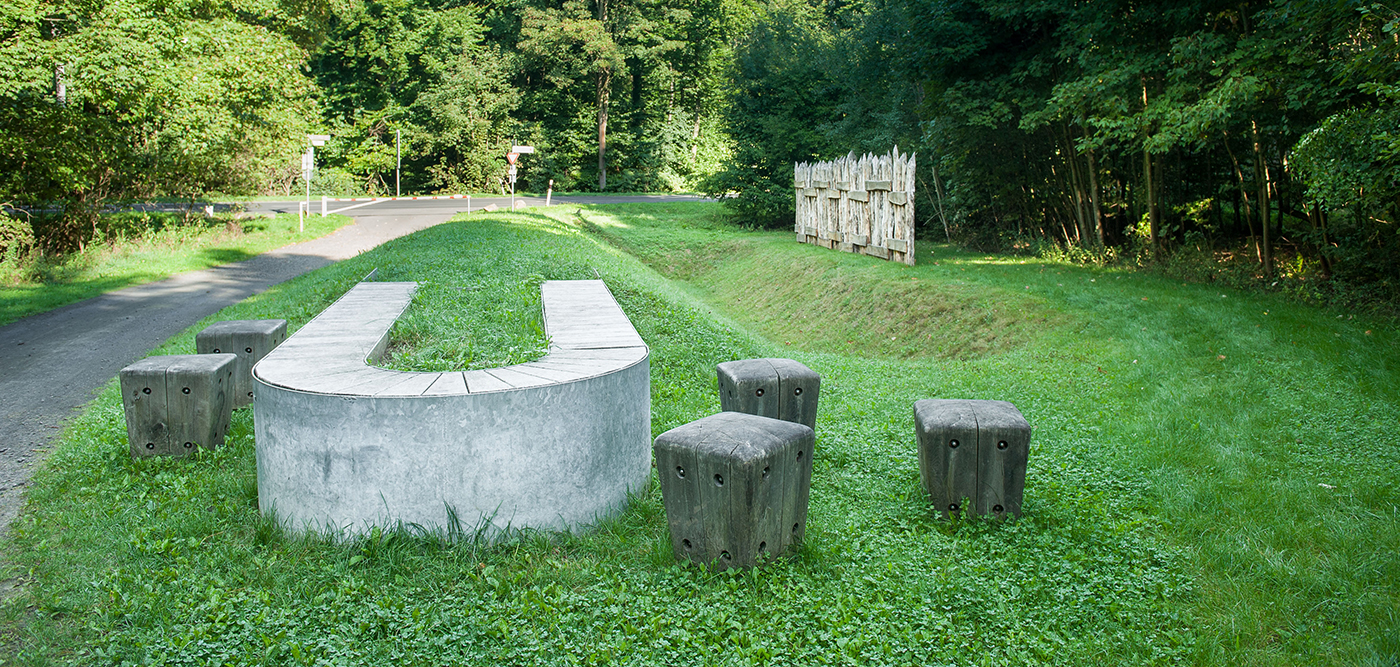
6 ATTRACTIONS

HIGHLIGHTS OF THE REGION
The Wetterau has been continuously settled for around 7,000 years – a unique feat in Europe. Its rich history invites discovery in many locations.
Numerous finds and sites from the Celtic, Roman, and Medieval periods bear witness to the various eras of settlement.
In addition to the outstanding Celtic remains at Glauberg and the unique sites along the UNESCO World Heritage Upper Germanic-Rhaetian Limes, there are impressive castles and palaces, charming half-timbered towns, and numerous churches to see. We are happy to provide you with a selection of our highlights.
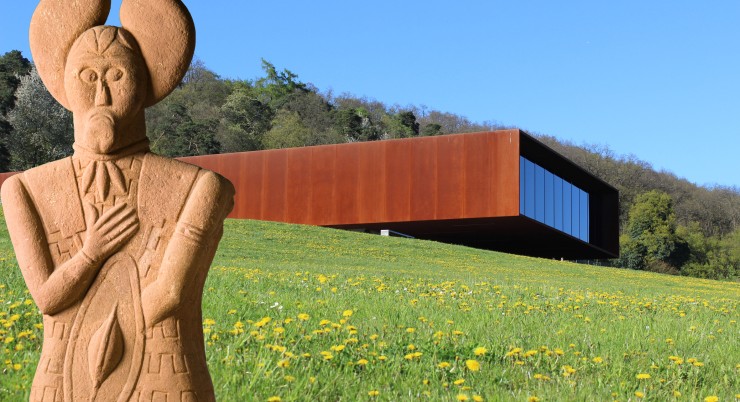
In the Wetterau region, traces of the Celts are numerous and still visible today in the form of spectacular finds, burial mounds and ring ramparts. The Glauberg is a cultural and historical landmark of European significance. Excavations uncovered three Celtic princely graves and a life-size statue of a Celtic prince. They can be admired at the Celtic World at Glauberg.
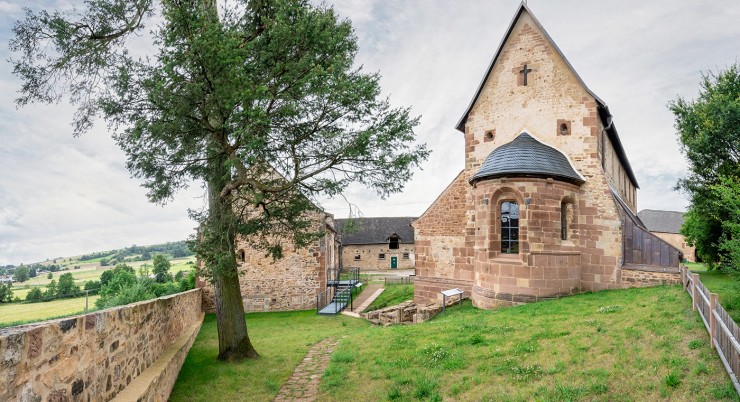
The monastery church and provost’s building are among the finest examples of Romanesque architecture in Hesse. These relics from the Staufen era tell the story of the former monastery, which reached its heyday in the late Middle Ages thanks to estates, lease income and donations from the nobility.
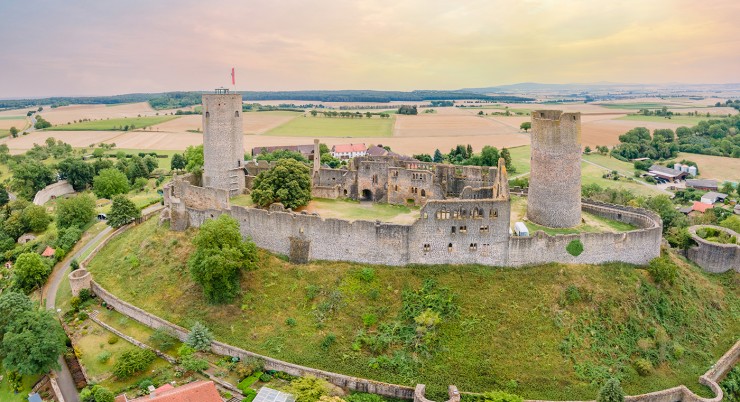
Münzenberg Castle is one of Germany’s most important Romanesque castle complexes. It dates back to the Hohenstaufen era. Even from afar, you can make out the two imposing keeps that gave it the nickname “the Wetterau inkwell”.
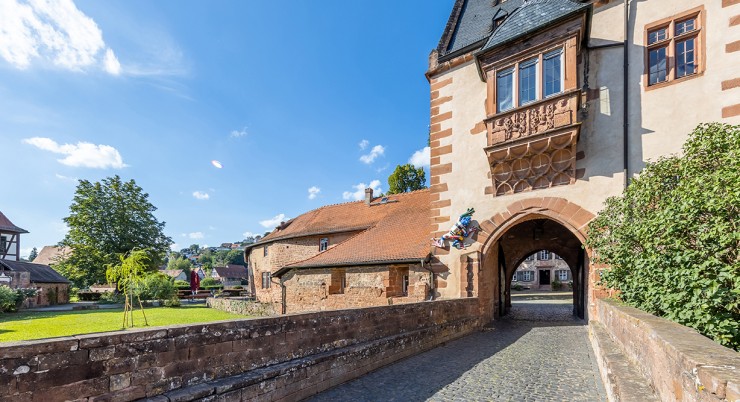
The Büdingen Old Town with its numerous listed monuments is one of the most beautiful medieval urban complexes in Germany. Magnificent half-timbered houses, small gables and dormers, imposing walls and towers at every turn.
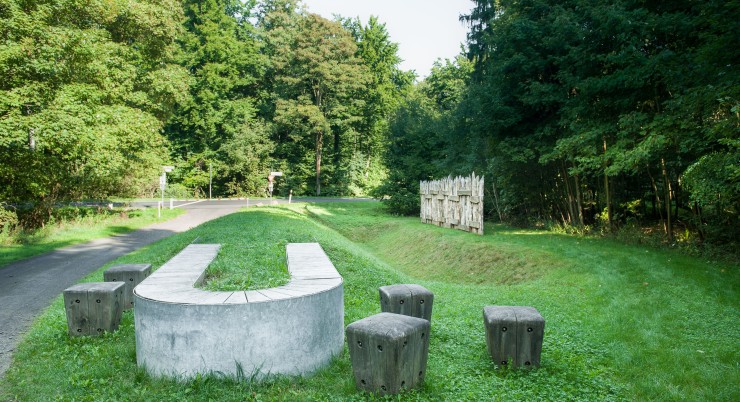
The Upper Germanic-Raetian Limes is Germany’s largest and best-known archaeological monument; 41.6 km run through the Wetterau district in a striking northward bulge.

Vicus Romanus is an innovative adventure and experience landscape in the form of a public green space with numerous play and sports equipment. It promotes physical activity, enables encounters, protects health, and provides interesting facts about the region’s Roman past.


